
https://www.ultimationinc.com/replacement-parts/24v-mdr/buy-itoh-denki/itoh-denki-motorized-conveyor-rollers-dia-17bf/
Conveyor rollers keep production moving smoothly, reducing jams and downtime. Durable, precision-engineered rollers support varied loads, improve efficiency, and extend equipment life. Explore compatibility, maintenance tips, and cost-saving options to optimize your material handling system.
Conveyor rollers streamline material handling, boosting efficiency and reducing downtime in modern warehouses. Their smooth rotation minimizes jams, supports heavy loads, and extends system longevity. For reliable components, explore proven options at https://proveyance.com/products/conveyance-components/ to optimize your setup and performance.
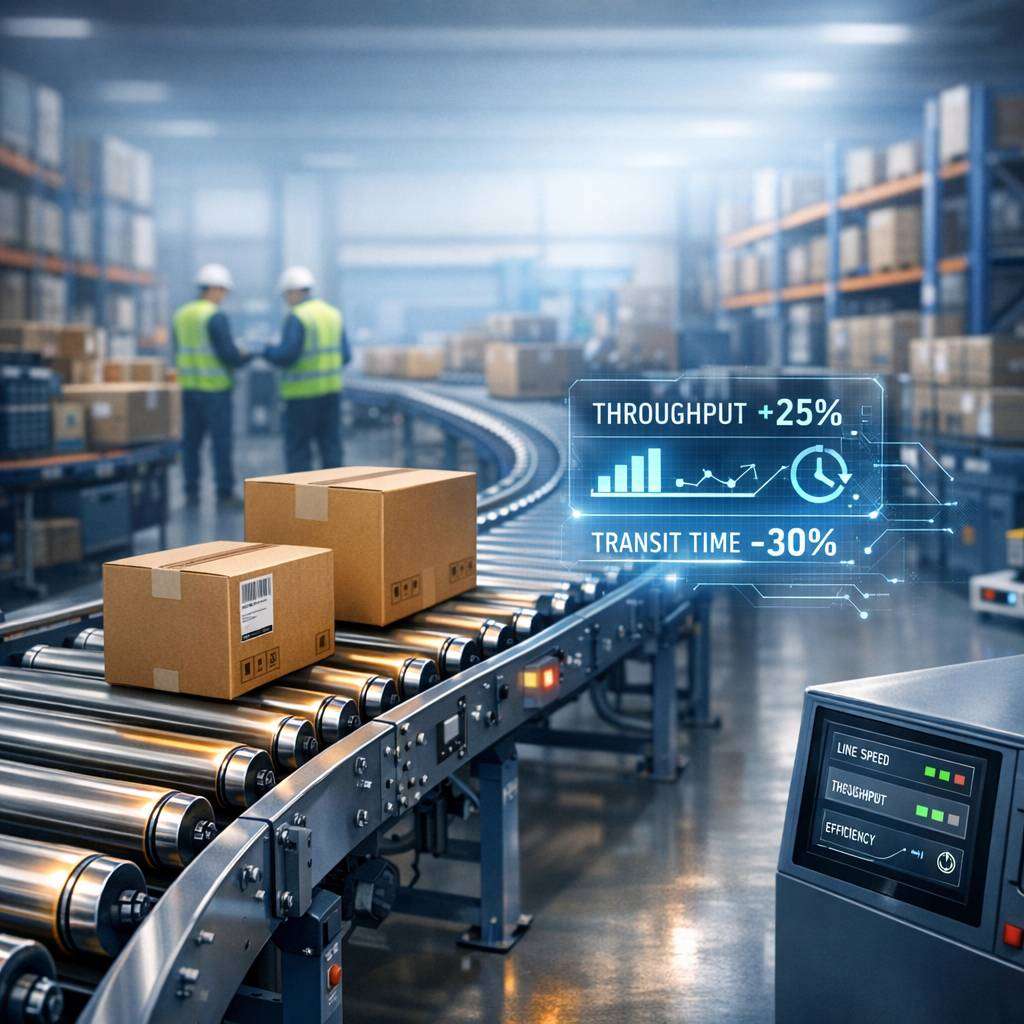
IntroductionIn today’s fast-paced manufacturing environments, efficient material handling is not a luxury—it’s a competitive necessity. Conveyor rollers form the silent workhorses of warehouses and production lines, enabling smooth, reliable movement of goods from A to B. Whether you’re coordinating microcomponents on a high-speed line or moving heavy pallets through a distribution centre, the right rollers can boost throughput, reduce downtime, and cut maintenance costs. This article draws on industry best practices to explain how conveyor rollers, including uk rollers and other varieties, can transform your operations.
H2: Understanding the role of conveyor rollers in modern facilitiesConveyor rollers are the cylindrical drums that sit beneath belts or integrate into roller beds, providing the low-friction surface that allows items to glide along pathways. They come in a range of materials and designs to suit different loads, speeds, and environments. From plastic conveyor rollers for light, corrosion-resistant applications to heavy-duty steel rollers for pallet movements, the core principle remains the same: to minimise resistance and ensure consistent movement.
H2: The advantages of standard conveyor rollers UK businesses rely on
- Enhanced throughput: With well-chosen rollers, items travel at predictable speeds with minimal jamming, enabling tighter production schedules and shorter cycle times.
- Reduced maintenance and downtime: Quality rollers reduce bearing wear and belt tension issues. When components are durable and well-suited to the load, breakages become rarer, and service interruptions fall.
- Improved energy efficiency: Lower rolling resistance translates into lower motor loads. This can yield energy savings over the lifetime of the conveyor system.
- Versatility across applications: Whether you need rollers for conveyors in cleanrooms, food processing, or heavy industry, there are options tailored to specific needs, including hygiene standards and load-bearing requirements.
H2: Key types of conveyor rollers and where they fit
- Conveyor rollers uk: This broad category covers rollers designed for the UK market, accounting for local standards, mounting configurations, and common fault conditions. They are available in various diameters and lengths to fit standard conveyor frames.
- Plastic conveyor rollers: Lightweight, corrosion-resistant, and often cost-effective, plastic rollers excel in low to medium-load applications. They’re common in food handling, electronics assembly, and packaging lines where moisture or chemicals may be present.
- Conveyor belt rollers: A precise subset designed to work in tandem with conveyor belts, these rollers maintain belt alignment, tension, and tracking. They help prevent belt wear and contribute to stable material flow.
- Conveyor roller: A catch-all term for the rolling elements themselves, used in a wide array of conveyors—from gravity-fed lines to powered systems.
- Driven roller: A powered roller that provides propulsion at a specific segment of the line. Driven rollers are essential where precise control of item movement is required, such as accumulation lines, sortation setups, or high-speed conveyors.
H2: How driven rollers boost control and efficiencyA driven roller integrates a motor and drive mechanism into the roller itself, delivering direct propulsion to conveyed products. Benefits include:
- Precise speed control: Synchronised rollers reduce slippage and ensure consistent acceleration and deceleration, improving process timing.
- Accumulation and sequencing: By controlling individual rollers, manufacturers can hold or release items in a controlled manner, enabling efficient sorting and batching.
- Reduced belt wear: In belt-based systems, driven rollers can reduce belt length and strain, extending belt life and lowering maintenance needs.
- Space-saving design: Integrating drive into rollers can simplify layouts, freeing up space for other equipment or storage.
H2: Material considerations when selecting conveyor rollers
- Load type and weight: Heavy palletised loads demand robust rollers with high load ratings. Lighter items can make use of plastic or composite rollers.
- Environment: Moisture, chemicals, temperature, and cleanliness affect material choice. Plastic rollers are popular where corrosion resistance is important, while stainless steel options suit challenging environments.
- Speed and alignment: High-speed applications benefit from precision bearings and smooth surfaces to minimise vibration and wear.
- Maintenance philosophy: Consider ease of replacement, availability of spares, and the expected service life when choosing between standard and custom solutions.
- Hygiene and food safety: In sectors like food and pharma, selecting rollers with appropriate CIP (clean-in-place) compatibility and antimicrobial coatings can save time and protect compliance.
H2: Best practices for installing and maintaining conveyor rollers
- Match components to the frame: Ensure roller length, diameter, and mounting hole patterns align with the existing conveyor frame to avoid misalignment and run-out.
- Check bearings and lubrication: Regular inspection of bearings, seals, and lubrication schedules reduces the risk of sudden failures.
- Monitor belt interaction: When using conveyor belt rollers, ensure proper belt tension and tracking to prevent edge wear and slippage.
- Plan for contingencies: Maintain a stock of common spare parts, including spare driven rollers and plastic conveyor rollers, to minimise downtime during replacements.
- Conduct performance reviews: Periodic checks on throughput, downtime, and energy consumption help identify opportunities to upgrade to more efficient rollers or adjust line layouts.
H2: Real-world applications and outcomesIn automotive assembly lines, precise driven rollers allow for synchronous movement of parts along multiple workstations, reducing cycle time and aligning with robotic pick-and-place operations. In e-commerce fulfilment centres, robust conveyor rollers UK businesses rely on handle high throughput with low downtime, while plastic conveyor rollers help maintain hygiene standards on packaging lines. Food processing facilities benefit from corrosion-resistant materials and easy-clean designs, ensuring product safety and regulatory compliance. Across these contexts, the right mix of conveyor rollers for conveyors determines how smoothly goods flow, how quickly orders are processed, and how effectively operators can manage the line.
H2: The future of conveyor rollers in efficiency-driven factoriesAs automation and data analytics become more deeply embedded in manufacturing, conveyor rollers are moving beyond passive transport roles. Integrated sensors monitor wear, temperature, and vibration, feeding data into maintenance planning and predictive analytics. Modular roller systems simplify upgrades and reconfigurations as product lines shift. For UK manufacturers, staying ahead means selecting rollers that are not only fit-for-purpose today but also adaptable to evolving process needs.
H2: Choosing the right partner for your conveyor roller needsWhether you’re sourcing uk rollers, plastics for resistance to particular chemicals, or driven rollers for advanced line control, partnering with a supplier who understands your sector is crucial. Look for:
- A broad product range including conveyor rollers uk and rollers for conveyors tailored to different industries.
- Technical support that helps with correct sizing, material choices, and integration with existing equipment.
- Transparent pricing and reliable spare parts availability, ensuring long-term maintenance ease.
If you’d like, I can help you assess your current line and suggest a tailored set of conveyor rollers—optimised for your load types, speed, and environment.
For efficient material handling, companies rely on durable conveyor rollers to move products smoothly along production lines. These rollers reduce friction, support heavy loads, and improve throughput in busy warehouses. Selecting the right roller type—steel, polyurethane, or stainless steel—ensures longevity under varied speeds and environments. Regular maintenance, proper alignment, and timely replacement prevent jams and downtime. By investing in quality components, facilities achieve safer, faster, and more reliable operations across manufacturing processes.
FAQ: Conveyor Rollers
What are conveyor rollers?
Conveyor rollers are cylindrical components that rotate to move materials along a conveyor system. They support loads, reduce friction, and are driven by belts, chains, or gravity depending on the system design.
What materials are conveyor rollers made from?
Common materials include:
- Steel: high strength and durability for heavy loads.
- Stainless steel: corrosion resistance, ideal for food, beverage, and hygienic environments.
- Aluminum: lightweight with good corrosion resistance.
- Plastic (polymer): cost-effective for light to medium loads and specific chemical environments.
- Polyurethane or rubber-coated rollers: improved grip and impact absorption.
How do I choose the right conveyor roller diameter and length?
Consider load weight, desired belt tension, speed, space constraints, and the required contact with the belt. Larger diameters reduce wear and handle heavier loads better, while length should match the width of the conveyor frame and supported capacity.
What is the difference between driven and idler rollers?
- Driven rollers have a motor or power source that rotates the roller, providing movement to the belt.
- Idler rollers simply guide and support the belt without providing drive force.
What is a belt roller vs. gravity roller?
- Belt rollers are typically powered or idler rollers used in belt conveyors to support and move the belt and cargo.
- Gravity rollers rely on the force of gravity for movement, often used in gravity roller conveyors for accumulating or diverting loads.
How long do conveyor rollers last?
Lifespan depends on load, speed, environment, and maintenance. High-quality rollers made for the specific duty cycle can last several years. Regular inspection and lubrication (where applicable) extend life.
How should I maintain conveyor rollers?
- Inspect for wear, corrosion, and misalignment.
- Clean to remove debris that can cause abrasion.
- Lubricate bearings as recommended by the manufacturer.
- Check for shaft and bearing integrity; replace worn or damaged rollers promptly.
- Ensure proper tension and alignment of the belt or chain drive.
Can conveyor rollers be customised?
Yes. Rollers can be customised in diameter, length, bearing type, surface material (smooth, grooved, or polyurethane-coated), and mounting configurations to fit specific conveyor frames and applications.
What applications are conveyor rollers used for?
- Manufacturing and assembly lines
- Packaging and sorting systems
- Freight and warehouse handling
- Food and beverage processing (with appropriate sanitary materials)
- Mining and heavy industry (using heavy-duty rollers)
How do I know if I need replacement rollers?
Signs include excessive belt wear, frequent belt slippage, noisy operation, visible damage or deformation, uneven rotation, or increased maintenance downtime. If performance degrades, assess the rollers for replacement.
Are there different bearing options for conveyor rollers?
Yes. Common bearings include ball bearings, roller bearings, and sleeve bearings. Some rollers use sealed or pre-lubricated bearings for low maintenance, while others are serviceable with removable end caps.
What environmental factors affect roller selection?
Consider exposure to moisture, chemicals, temperature extremes, dust, and hygiene requirements. Choose corrosion-resistant materials and hygienic finishes when needed.
How do I measure a roller for replacement?
Measure the roller diameter, overall length, shaft diameter, and bearing type. Also note roller material, surface finish, and the mounting style to ensure compatibility.
Do I need professional installation for conveyor rollers?
For complex systems or heavy-duty conveyors, professional installation is recommended to ensure proper alignment, tensioning, and safe operation. Simple replacements may be DIY if you have the right tools and knowledge.
Where can I buy conveyor rollers?
Industrial suppliers, manufacturers, and distributors offer a range of rollers. Check for compatibility with your conveyor model, warranty, and availability of spares like bearings and end caps.
If you’d like, tell me your conveyor type, load range, and environment, and I can tailor recommendations for specific roller options.